
| IN A NUTSHELL |
|
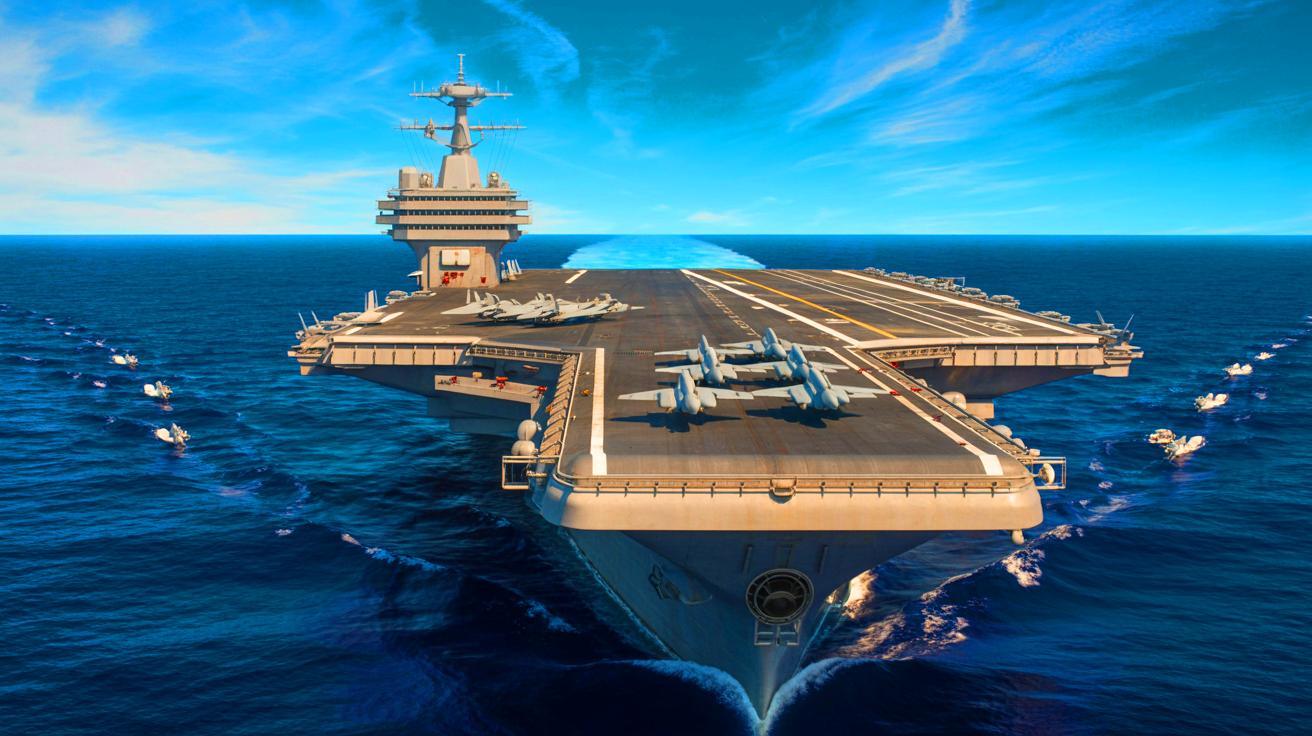
In the realm of naval engineering, few vessels capture the imagination as much as the USS Gerald R. Ford. As the world’s largest and most advanced aircraft carrier, it represents a significant leap forward in maritime technology and U.S. naval strategy. Named after the 38th President of the United States, this carrier not only serves as a formidable military asset but also as a symbol of American innovation. Since its commissioning in 2017, the USS Gerald R. Ford has become a cornerstone in the projection of U.S. power across the globe, setting a high standard for future naval warfare capabilities. Yet, its journey has not been without challenges, from budget overruns to technological hurdles.
The Technological Marvel of USS Gerald R. Ford
The USS Gerald R. Ford stands as a testament to technological advancement in naval architecture. Measuring approximately 1,106 feet in length, it boasts an expansive flight deck, allowing for unprecedented operational capacity. With a displacement of 100,000 tons, the carrier is powered by two nuclear reactors, achieving speeds exceeding 30 knots. This power enables the vessel to traverse vast oceans efficiently, underscoring its strategic importance in global operations.
A hallmark of its technological prowess is the Electromagnetic Aircraft Launch System (EMALS). This system replaces older steam catapults, increasing sortie rates to 160 per day while minimizing airframe stress. The advanced arresting gear further enhances recovery operations, and the improved weapons elevators expedite ordnance transport to the flight deck, exemplifying the carrier’s operational efficiency.
The USS Gerald R. Ford also excels in power generation, producing three times the electrical power of its predecessors. This capacity supports a range of sophisticated onboard systems, including advanced radar and defense systems like the SLQ-32(V)6 electronic warfare system and the Evolved Sea Sparrow Missile (ESSM) Block 1. These innovations ensure the carrier’s dominance in maritime engagements.
NASA Chief Unveils “Mind-Blowing Moon Power Plant” To Build Self-Sustaining Lunar Economy And Support Long-Term Human Settlements Beyond Earth
Strategic Importance and Global Impact
The USS Gerald R. Ford is a critical component of the U.S. naval strategy. As the flagship of the Carrier Strike Group, it operates alongside cruisers, destroyers, and supply ships, forming a potent force capable of sustained operations at sea. This configuration supports a range of missions, including combat, reconnaissance, and deterrence, reinforcing the U.S. military’s global presence.
Strategically deployed to key locations such as the Mediterranean, the carrier plays a vital role in regional deterrence and influence. Its presence in these areas demonstrates the U.S.’s commitment to global stability and peace. Furthermore, its participation in naval exercises showcases its capabilities and strengthens alliances with other nations.
Beyond its military functions, the USS Gerald R. Ford symbolizes national pride and technological achievement. As the most expensive warship ever built, with costs approaching $13.3 billion, it represents an investment in the future of naval warfare and security. This investment reflects the U.S.’s dedication to maintaining a technological edge in defense.
Nuclear Reactor Faces 18 Hours Without Cooling as “Pipes Burst Like Burning Arteries” Following Technician’s Mistake in Shocking Safety Breakdown
Challenges and Controversies
The USS Gerald R. Ford’s development was not without its hurdles. The carrier faced significant delays and budget overruns during construction, primarily due to the integration of cutting-edge technologies. Issues with the certification of weapon elevators, EMALS, jet blast deflectors, and radar systems contributed to these delays.
The financial challenges, with costs exceeding initial estimates by 30%, sparked debates about defense spending priorities. Critics argue that the resources allocated to the carrier could have been directed toward other defense needs or social initiatives. These discussions highlight the complexities involved in managing large-scale defense projects.
Additionally, the ship’s automation systems, designed to reduce crew size by 700, have sparked discussions about the impact on naval personnel. While automation enhances efficiency and reduces operational costs, it raises concerns about job security and the evolving role of human sailors in military operations.
Nuclear Reactor Crisis Erupts As Technician’s Valve Mistake Triggers 18-Hour Cooling Loss And Sparks Fears Of Catastrophic Meltdown
Future Prospects and Adaptability
The USS Gerald R. Ford is designed with future adaptability in mind, allowing for the integration of emerging technologies. Its advanced systems enable the incorporation of innovations such as advanced drones, ensuring its relevance in the ever-evolving landscape of naval warfare. This adaptability is crucial for maintaining the U.S. Navy’s strategic superiority.
As threats and technologies evolve, the carrier can be upgraded to address new challenges effectively. This flexibility ensures that the USS Gerald R. Ford remains a valuable asset for decades, capable of responding to unforeseen threats and opportunities. Its design also sets a precedent for future vessels, influencing the development of subsequent ships.
The USS Gerald R. Ford represents the intersection of tradition and innovation, highlighting the enduring strength of the U.S. Navy. As it continues to navigate the world’s oceans, the vital question remains: how will emerging technologies and geopolitical changes shape the future role of such monumental vessels in global security?
This article is based on verified sources and supported by editorial technologies.
Did you like it? 4.6/5 (30)
link




More Stories
Tech Plus Product: A Comprehensive Review of Its Features and Benefits
Here Are the New Features Coming in iOS 26.4
Tested on Palestinians: Epstein, Israel’s Barak pushed spy tech in Nigeria | Features