
Wednesday, June 25, 2025

Tourism is a central component of the global economy, with millions of tourists visiting iconic locations annually. However, the rise in the number of tourists visiting iconic locations has become a source of concern—the issue of tourist overcrowding. The tourism experience, though amazing, presents huge challenges, particularly for locations which draw huge crowds. The question then becomes: can we travel and discover new locations without adding to the issue of overcrowding?
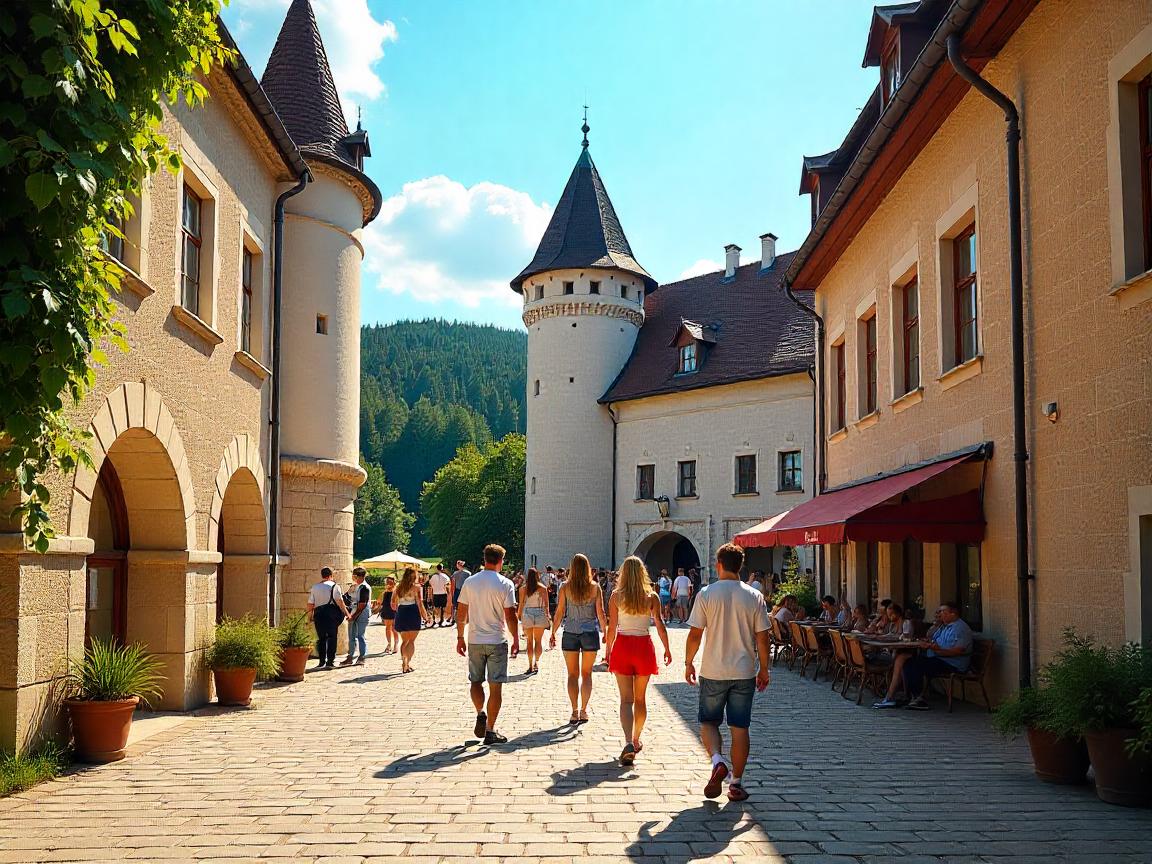
The answer lies in sustainable tourism, a concept that aims to balance the needs of travelers with the preservation of local cultures, environments, and communities. In Transylvania, Romania, a region known for its rich history and stunning landscapes, innovative solutions are being put into place to help guide tourists to alternative destinations, easing the pressure on popular sites like Count Dracula’s Castle.
The Importance of Sustainable Tourism
As global tourism continues to rise, the focus on sustainable tourism is becoming more critical. It is not just about minimizing the environmental impact of travel, but also about ensuring that local communities benefit from the economic influx without being overwhelmed. Transylvania’s initiatives are a perfect example of how sustainable tourism can be integrated into the travel experience, offering travelers a unique and authentic adventure without the stress of overcrowded destinations.
One such initiative is the European project “Tourism in Balance,” co-funded by Interreg Europe. The project connects several cities and regions across Europe—Rome, Amsterdam, Seville, Tallinn, Krakow, and Brașov. The goal of this collaboration is to share strategies, insights, and best practices for tackling the problem of overcrowded tourist hotspots. The project’s main objective is to distribute tourists in space and time, allowing visitors to experience new places without causing harm to the local community or environment.
Transylvania’s Approach to Redistributing Tourism
Transylvania, particularly the city of Brașov, is embracing this challenge with open arms. While Brașov is still far from suffering the extreme effects of overcrowding, the city is actively learning from the experiences of other European destinations like Rome and Amsterdam, which have struggled with large numbers of tourists. Brașov aims to avoid these pitfalls by focusing on sustainable growth and fair distribution of visitors across both urban and rural areas.
One of the key initiatives in Brașov is to encourage tourists to explore destinations beyond the most popular sites. The goal is to reduce the concentration of visitors in well-known spots and redirect them to lesser-known areas that still offer rich cultural and natural experiences. By redistributing tourism, local communities, particularly in rural areas, can also benefit from the economic opportunities that come with travel.
The Gastro Local Programme: A Unique Rural Experience
An excellent example of this approach is the Gastro Local Programme in rural Transylvania. Launched to promote local experiences, this initiative encourages local residents to host tourists in their homes and offer home-cooked meals. Villages like Vama Buzăului, located near the Valea Zimbrilor nature reserve, are embracing this idea, providing visitors with a chance to experience authentic Romanian cuisine in a family setting. This initiative not only helps redistribute tourists away from overcrowded areas but also supports local producers by sourcing ingredients locally.
Here’s a closer look at the Gastro Local Programme:
- Local Hosts: Villagers offer home-cooked meals, providing tourists with an intimate and authentic experience.
- Sustainable Sourcing: 70% of ingredients used in the meals are locally sourced, and much of the produce is organic.
- Fixed Price: Meals are offered at a fixed price, making it a transparent and affordable experience for tourists.
- Cultural Immersion: Guests enjoy traditional meals, which reflect the local way of life.
Alina Tonie, a cook involved in the program, explains that the food served is what she and her family would eat. This personal touch ensures a unique and memorable experience for tourists, allowing them to truly connect with the culture and community of Transylvania. By providing this local, rural experience, the program helps divert some of the tourist traffic away from major cities and well-known attractions, creating a more balanced tourism flow.
Benefits of Promoting Local Experiences and Rural Tourism
The emphasis on local experiences through initiatives like Gastro Local offers several benefits:
- Economic Growth: Local farmers and producers see an increase in demand for their products, creating a sustainable source of income.
- Cultural Preservation: By inviting tourists into their homes and sharing traditional meals, locals can preserve their cultural heritage.
- Sustainable Tourism: The program helps alleviate the strain on popular tourist destinations, contributing to the overall goal of sustainable tourism.
- Unique Experiences: Tourists get the opportunity to explore rural Transylvania and enjoy authentic experiences away from the crowds.
Conclusion
As tourism continues to grow globally, sustainable practices are key to ensuring that both the tourism industry and local communities thrive without the negative impacts of overcrowding. Transylvania’s efforts in redistributing tourists and promoting rural tourism through initiatives like the Gastro Local Programme showcase how communities can manage tourism in a sustainable and equitable way. By focusing on local experiences, Transylvania not only preserves its cultural heritage but also ensures that tourism contributes positively to the economy and environment.
In a world where tourism is often synonymous with overcrowded destinations, Transylvania is setting an inspiring example of how we can continue to travel responsibly and sustainably. The future of sustainable tourism lies in creating a balance—one where visitors can enjoy diverse, authentic experiences while supporting local communities and minimizing the pressure on popular tourist spots.
«Enjoyed this post? Never miss out on future posts by following us»

link


More Stories
Georgia timber industry seeks innovative solutions amid market challenges
Innovative Solutions (ISSC) Earnings Transcript
Samsung Exhibition Celebrates Innovative Spirit of Winning Solve For Tomorrow Ambassadors