
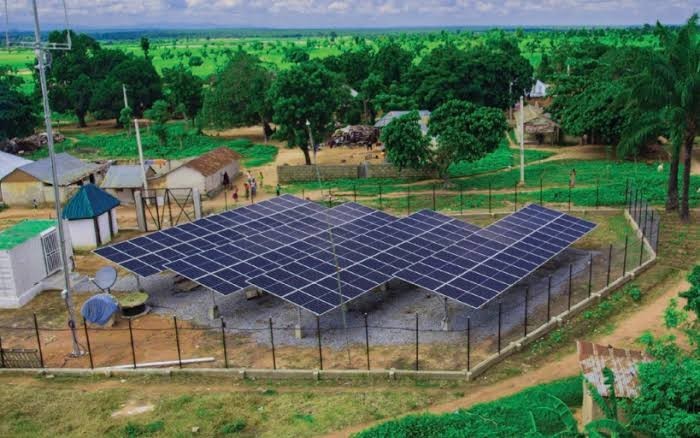
The foundation of healthy communities, thriving agriculture and strong cities is clean and reliable water. However, there are numerous locations, such as peri-urban slums, rural localities, and rapidly expanding towns that are plagued with interruptions, deteriorating pipes, lack of groundwater, pollution, and climate changes.
This article presents real-life, engineering-centric solutions which have already had tangible results: decentralized systems, pumps powered by renewable energy, the ability of rainwater to be collected, recharging aquifers, smart designs, low-cost treatment, and the social and financial systems that enable these solutions to reach large scales.
It has been aimed to educate engineers, planners, community leaders, and curious readers of realistically up to date approaches that can be tailored to local realities.
The local issues that we need to address (short primer).
Local water problems are different, yet there are popular problems such as:
– Periodic piped water and high non-revenue water (leaks, theft).
– Excessive abstraction of groundwater and disappearing of water tables.
– Source or distribution contamination (microbial or chemical).
– Power shortage in rural or peri urban regions.
– Climate change to floods or drought.
Solutions should be technical and social, consequently, they should be technical and economically feasible and owned by locals.
1. Decentralized structures: appropriate scale to requirement
Instead of centrally-located and large-scale plant systems, decentralized water and wastewater systems provide water at the local level at the neighborhood, campus, or village scale, reducing the cost of transmission and enhancing recovery.
They are able to recycle and reuse water locally (e.g. greywater recycling to irrigate farmland), take load off central plants, and are less difficult to stage and finance. The latest reviews outline the importance of decentralized methods as the foundation towards robust city water planning and resource efficiency.
Practical takeaways
– Use modular treatment trains (screen → biofilter → disinfection) sized to the community.
– Reuse and treat: treat grey water to irrigate the lawn, flush toilets, or industry of small scale.
– Develop user interfaces and local repair schemes that are easy to understand so the communities can run operations.
2. Pumping with solar and renewable energy: no grid of reliance
In some places where power is not reliable and where it is too costly, there are the transformative solar-powered pump systems.
Newer submersible pumps and surface pumps are cheaper and sturdier and can be used to power wells, boreholes and small networks and reduce fuel and operating expenses.
They also reduce carbon footprints and go together with storage tanks and microgrids to even out supply during the night and low-sun seasons. There is documentation of the viability and growing application of solar pumping of drinking water and irrigation in field and technical studies.
Design Tips
– Have solar arrays sized to seasonal requirements and provide buffer storage (tanks, raised reservoirs).
– To be more reliable, hybrid systems (solar + grid or battery) should be considered when it is possible to afford them.
– Factor in O&M (cleaning panels, repairing controllers) early in budgeting and training.
3. Strategic storing of rain: distributed flood control
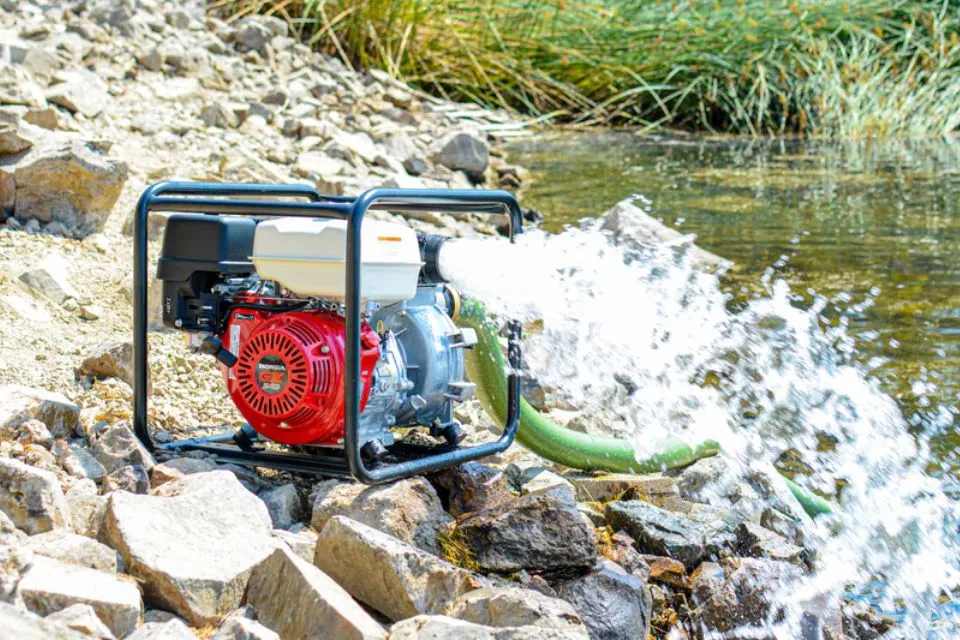
Rainwater harvesting (RWH) – on rooftops, paved surfaces, redesigned streetscapes has the effect of diminishing the risks of flooding and offering a local supply of non- potable water or with treatment, potable water.
Innovations involve real-time control systems which direct water between storage, infiltration and overflow to capture as much as possible and limit pollution.
Cities which incorporate RWH within urban design have the opportunity to enhance water resiliency, as well as lessen the stormwater burdens.
Where It Works Best
– Homes, schools, government buildings that have sufficient roof-space.
– Urban neighborhoods with the possibility of combined gutter and street capture.
– Combined with basic filtration and disinfection to use in the house.
4. Managed Aquifer Recharge (MAR): depositing water underground.
Managed Aquifer Recharge (MAR, also known as aquifer storage and recovery ASR) actively forces overland water or treated wastewater into deep aquifers as a temporary storage during dry seasons.

Get the Training You Need for a Safer Workplace!
Autonomous mobile robots are one of the fastest-growing segments of the robotics industry. During this live virtual training, you’ll be introduced to safety protocols and best practices for working with mobile robots in industrial settings.
Learn more and register now for upcoming training dates.
MAR causes a decrease in the evaporation losses, ground water stabilization, and it may serve as a natural treatment stage (soil and aquifer processes eliminate the contaminants).
There are case studies and guidance documents to demonstrate how MAR has been applied in practice: municipal drought buffers, mine-site water management, although success varies depending on the hydrogeology and water quality protection.
Notable designing considerations
– Perform a proper hydrogeological analysis to prevent accidental contamination or clogging.
– Pre-treatment of recharge water (sediment removal, disinfection).
– Introduce surveillance plans, such as sensors of water quality and groundwater level.
5. Smart monitoring and leak detection: getting more from what exists
Water leaks hide a large cost. IoT sensors, pressure and flow loggers that are inexpensive and long-range wireless networks (LoRaWAN, NB-IoT) allow utilities to monitor tanks, pipes, and pumps on a near-real-time basis. These tools identify the leaks early, optimize the schedules of the pumps, and target maintenance.
The outcome is a huge payoff of a tiny sensor. Latest implementations and evaluations indicate that the sensor-based monitoring is quickly being included into the distribution networks.
How To Start
– Begin with hotspot mapping. Install sensors at the location of where there are issues in the past or customer complaints.
– Have basic dashboards and automatic notifications to enable field teams to take quick action.
– Check sensor information with customer complaints and physical investigation.
6. Water that is fit-for-purpose: Low-cost treatment and reuse.
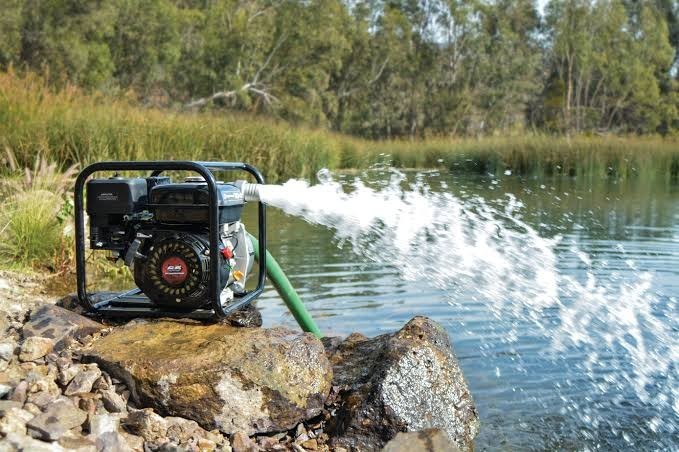
Drinking-quality water is not required in all the applications. The fit-to-purpose therapy conserves finances and water. Simple chlorination or UV can be used in household drinking supplies.
Community Systems should use slow sand filters or bios and. Membrane or advanced oxidation should be used in case of higher quality which is required to be reused.
Decentralized treatment trains are now provided in packaged form, which is simpler to implement and service in remote locations. Safe reuse (non-potable) policies are essential in order to open up this choice.
Examples
– The risk is reduced very fast by using household ceramic filters and point-of-use chlorination.
– Community bios and filters eliminate microbes that have low energy requirements.
– The packaged membrane units maintain the quality of water to small hotels, clinics, and schools.
7. Investment, management and social interaction: human engineering
Technology in itself will not resolve local water issues. It may require community ownership, low tariffs that would cover O&M, microfinance of household systems as well as public and private partnerships.
The need to train the local technicians and establish clear maintenance roles enhance the life of the systems. The key elements of successful projects include the combination of technical design with stakeholder workshops, clear accounting as well as easy user manuals.
Policy Nudges that help
– Local laws permit reuse and small utilities to be decentralized.
– The target subsidies are on O&M and capacity building(not capital only).
– Contracts based on performance based on uptime and water quality.
An illustration is: built-in packages prevail
The most robust projects are those that amalgamate a number of strategies. Local storage becomes available through solar pumping. The rain on the roof supplies domestic tanks.
There are sensors covering tanks and distribution. Reuse is done in a small treatment plant that is decentralized. These hybrid systems compromise cost, add additional redundancy, and scale to seasonal.
CONCLUSION:
some practical next steps in communities and Engineers
Local water problems require stratified solutions. Mapping the issue: supply, demand, quality, governance. Then choose interventions of scale and budget. Decentralize where weakly distributed distribution is a requirement.
Where power is not reliable use solar pumps. The rain should be captured where there are roofs. Install MAR in hydro geologically permissible locations. Install sensors to secure assets. Assigns community activity and realistic finance and maintenance plan to each technical option.
Engineers must work simply and in local capacity. Planners and leaders ought to prefer blended portfolios to single solutions. Communities end up receiving more than water when technology, policy and people are at par.
link




More Stories
Georgia timber industry seeks innovative solutions amid market challenges
Innovative Solutions (ISSC) Earnings Transcript
Samsung Exhibition Celebrates Innovative Spirit of Winning Solve For Tomorrow Ambassadors