
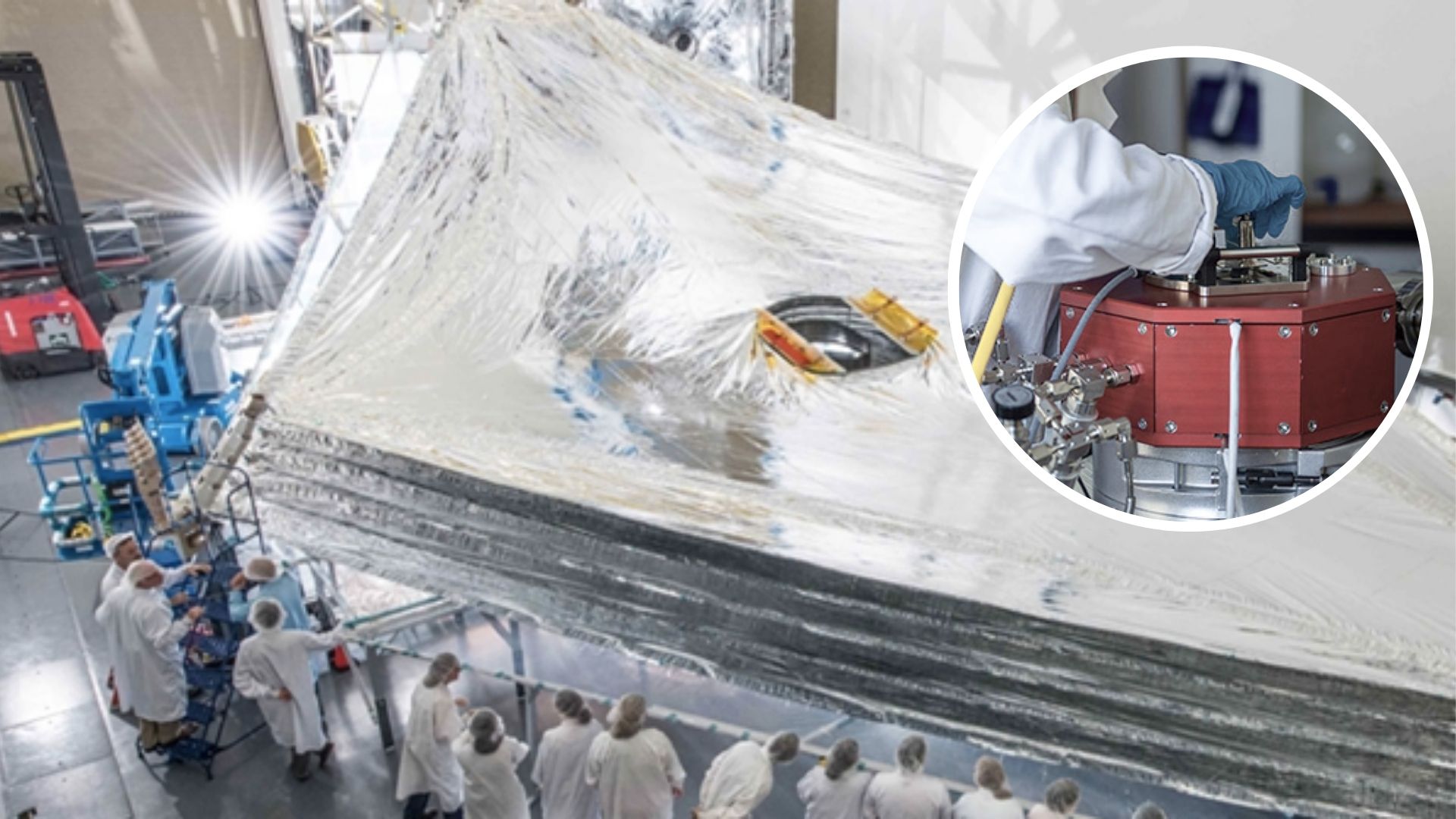
Researchers have found that they could use highly insulating aluminum-coated polymer film to improve the performance of flexible electronics and medical sensors.
Currently, the aluminum-coated polymer film is used to shield satellites from temperature extremes.
Researchers at Empa have succeeded in making the material even more resistant by implementing an ultra-thin intermediate layer.
Same combination of materials used for space applications
“We use the same combination of materials that is used for space applications, such as the European Mercury probe BepiColombo or the sunshield of NASA’s James Webb Space Telescope,” said doctoral student Johanna Byloff.
“The difference is that the thin intermediate layer forms naturally in those applications, whereas we manufacture it specifically, which allows us to adjust its properties.”
The space telescope’s 21-by-14-meter sunshield also illustrates the demands placed on the composite material in space. In addition to the large temperature differences, the insulating layers are exposed to mechanical stress.
“On the one hand, the sunshield was stowed away during transport of the telescope and had to unfold at its destination without the layers tearing or separating from each other,” explains Byloff. “On the other hand, particles and space debris can damage the film. It is important that the damage remains localized and does not spread as long cracks across the entire surface.”
The team also pointed out that the aluminum-coated polymer film is used to shield satellites from temperature extremes.
Aboard spacecraft, superinsulation protects the electronics from temperature fluctuations.
“For satellites in low Earth orbit, the temperature difference between the sun-facing side and the side facing away is around 200 degrees. A similar temperature difference also occurs when a satellite flies into the Earth’s shadow or out of the shadow back to the sunlit side of the planet – and this happens 16 times a day,” said Empa researcher Barbara Putz.
“Electronics work best at room temperature, though. And since it is directly exposed to space conditions, the superinsulation itself must also be resistant to extreme conditions.”
Extremely resistant polymer used as base for thin-film structure
Researchers also revealed that an extremely resistant polymer, polyimide, is most often used as the base for the thin-film structure. In addition to its temperature and vacuum resistance, this material is also characterized by the fact that the aluminum layer adheres to it particularly well.
“The reason for this is an intermediate layer, just a few nanometers thin, that forms at the interface between the polymer and the aluminum during the coating process,” said Putz.
To better understand the intermediate layer and its effects on material properties, Putz and her doctoral student Johanna Byloff opted for a simple model system: a 50-micrometer-thick polyimide film coated with 150 nanometers of aluminum.
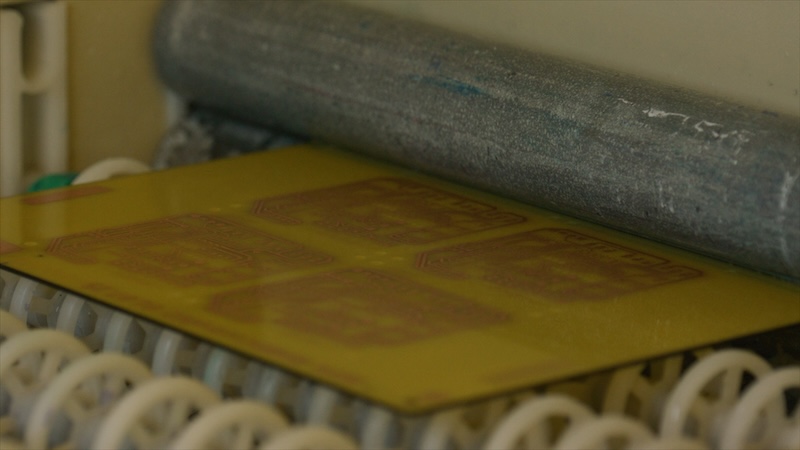
Between the metal and the plastic, the researchers apply a coating of aluminum oxide measuring just five nanometers. Working with such a thin intermediate layer is challenging. To ensure clean processing, the researchers use a coating machine from the Empa spin-off Swiss Cluster AG, which was founded in 2020 by researchers from the Mechanics of Materials and Nanostructures laboratory. The device makes it possible to apply different coating processes to the same workpiece one after the other without removing it from the vacuum chamber, according to a press release.
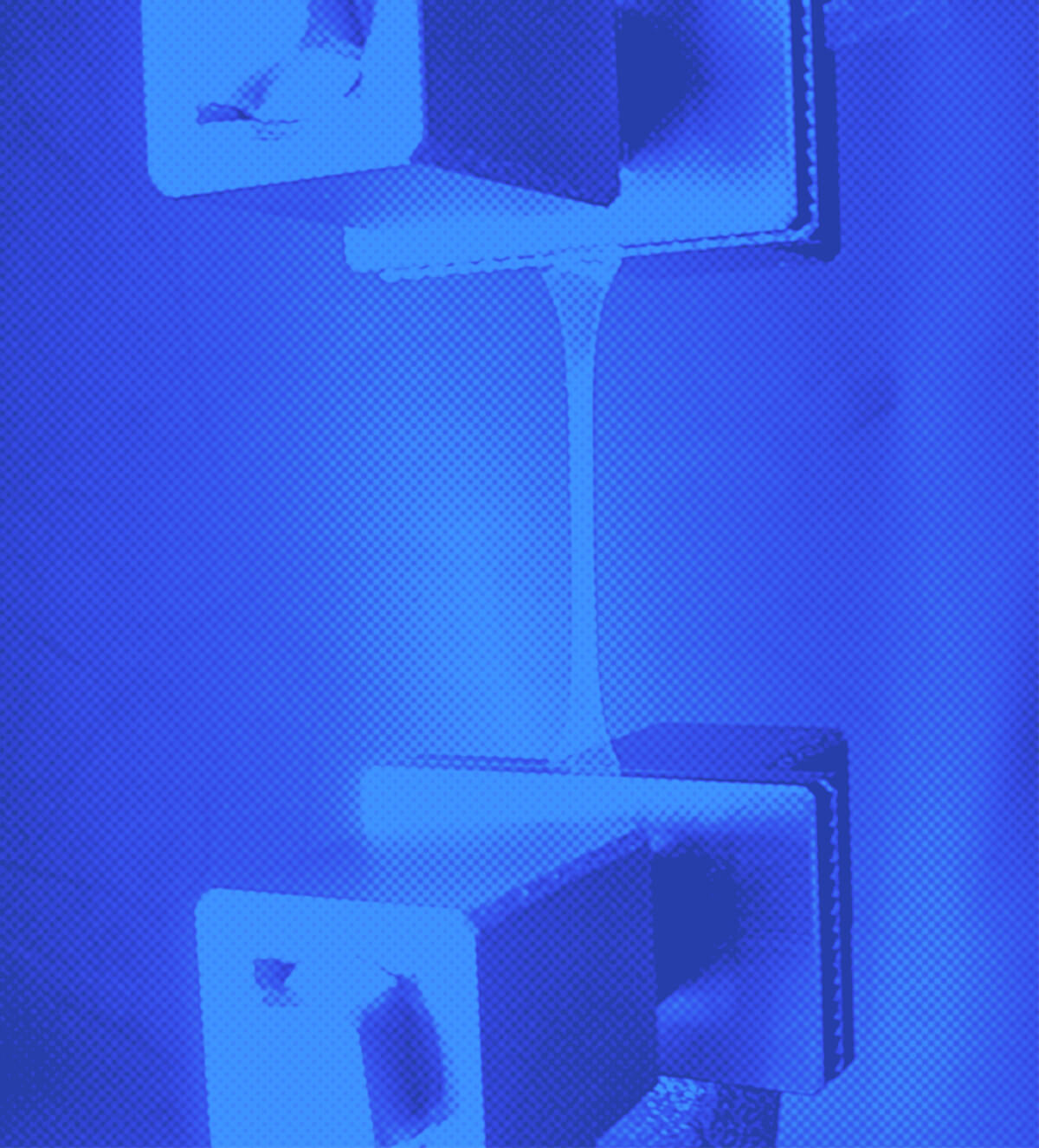
Researchers highlighted that they put their model film through its paces, subjecting it to tensile experiments and temperature shocks and characterizing it chemically and physically. The findings reveal that the new intermediate layer makes the material more elastic and significantly more resistant to cracks and flaking.
Next, the researchers want to vary the thickness of the interlayer and apply it to other polymer substrates.
“The natural interlayer can only form on a few polymers and only to a thickness of around five nanometers, which limits its usefulness,” said Barbara Putz. “We expect that our artificial interlayer will enable multilayer systems on other polymers that were previously out of the question due to poor coating adhesion.”
link


More Stories
Researchers Reveal Molecular Secrets of Flexible Electronics
Growth Outweighs Uncertainty for Flexible and Printed Electronics: OE-A Survey
SEMI FlexTech Announces 2026 FLEXI Award Winners